佳饲达3G:群体饲养妊娠母猪专用饲喂系统

原始自由进出式 ESF。

与其他现有系统(ESF、传统自由进出栏、肩部限位栏)相比,GESTAL 3G 让母猪管理更轻松、提升动物福利,并可降低高达 10% 的成本。该系统几乎无需培训,即可轻松适配您现有的猪舍结构与地面形式。

下载宣传册

GESTAL 3G in a park full of sows in the background. open pen gestation.

我们是这行业领域的专家

我们的多学科专家团队致力于支持全球猪场,无论是新建猪场还是旧场改造,都能顺利引进精准饲喂系统。我们家族三代亲身运营着一座拥有 2,200 头母猪的繁殖—育肥一体化养猪场,我们深知您每天所面对的各种挑战。正因如此,我们的解决方案源自真实生产经验:由养殖者研发,为养殖者服务。

  • Pig going into the GESTAL station in a sow farm.

    母猪自训

    由于结构仿照单体妊娠栏设计,佳饲达3G 饲喂站使母猪的所需训练时间极短。

  • 3 open doors of a GESTAL station in a pig farm with sows sleeping in the background

    坚固耐用的产品

    由养猪人设计、为养猪人打造。我们的产品在设计上注重坚固性与可靠性,并以简洁为核心。此分娩栏结构坚固,仅由机械部件组成,设计简洁可靠。.

  • GESTAL being pressure washed

    可加压冲洗

    我们所有的佳饲达产品均通过 IP66 和 Nema 4x 认证(防水、防尘)。

参观母猪场

3G 效应 / 3G 系统带来的改变

符合动物福利要求

在母猪进食时进行隔离,GESTAL 3G 饲喂站可最大限度降低攻击风险,并让每头母猪按照自己的节奏进食,同时满足母猪营养需求。

体验 360° 虚拟感受,走进妊娠房,了解 GESTAL 3G 系统如何为母猪饲喂。

开始虚拟参观

群养母猪的简单管理方式
  • 易于安装,可适配任何类型或规模的建筑(无论新建还是改造)。
  • 可靠的无线系统,即使电脑短暂故障也能独立运行。
  • 比传统电子饲喂站系统更易让母猪适应。

优化母猪数据管理
  • 通过手持平板的便捷操作与自动化报表,提升猪场内的母猪监测效率。
  • 警示功能与自动生成的报表可大幅节省监测时间。

为每头母猪量身定制日粮
  • 行业中极具优势的性价比。
  • 可选配双料线,3G 系统能够混配多种日粮,以满足每头母猪的特定营养需求。

全面满足动物福利规范的理想选择
  • 减少饲喂时的竞争与攻击行为。
  • 更有效的管理母猪的个体体况。
  • 栏位设计灵活,可根据项目需求优化母猪福利。
Read about group housing best practices

佳饲达3G 实际应用展示

了解我们的精准饲喂器如何利用 RFID,为每头母猪提供个性化日粮,在整个妊娠阶段提升健康与生产表现,同时帮助您显著节省饲料成本。

GESTAL 3G Opti with drawing of 3 pigs to illustrate blend feeding

成为 Opti

饲料混合选项:定制化营养供给。

可与 3G 饲喂系统协同工作。每个独立单元都能够实现精准的饲料投放与混配,避免日粮残留造成的污染,并可从远程访问点执行日粮更换。

  • 记录并管理复杂的日粮调整。
  • 可对不同的单个猪只日粮进行组合与混配。
  • 在电脑或通讯设备故障时,仍可持续为猪群进行饲喂。
  • 通知系统可提醒客户缺料事件或猪场内出现的问题。
  • 定制化日粮可避免过度配方并减少多余营养。
  • 可根据需要频繁调整混配比例,甚至可做到每日调整。
  • 适合用于商业生产场景与科研测试环境。
申请报价

VISION 软件

一目了然掌握猪群状况

您可以查看报表、饲喂数据趋势、饲喂曲线、历史记录等多项信息,让运营优化变得更精准、更轻松。

支持猪场端与云端数据管理功能。

了解更多 VISION 软件的讯息

准备好迈出下一步了吗?

申请报价

联系佳饲达代表

欢迎联系我们,了解更多关于佳饲达饲喂系统的信息以及该系统对您的猪群的优势。我们的专家随时为您提供帮助,协助您为养殖场选择最佳方案。

Most common questions about the GESTAL 3G Feeding System

What is the GESTAL 3G and how does it work?

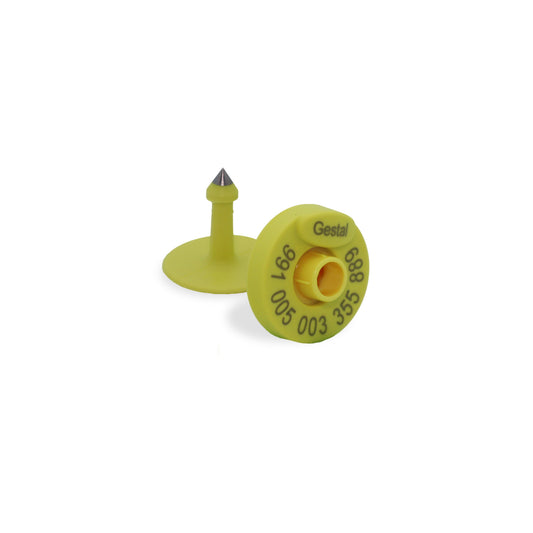
The GESTAL 3G is a precision electronic sow feeder (ESF) designed for group-housed gestating sows, manufactured by Jyga Technologies. Each station manages up to 18 sows individually. When a sow enters the feeding station, her RFID ear tag is read instantly and she starts to receive meals at a concurrent rate up to her exact pre-programmed daily ration automatically. The station structure mimics a traditional gestation crate, which allows sows to self-train with no employee intervention required.

How does the GESTAL 3G compare to traditional ESF systems?

The GESTAL 3G differs from conventional ESF systems in three measurable ways. First, it requires minimal gilt training: on a typical 5,000 sow farm, traditional ESF systems require 1 to 3 full-time employees solely for gilt training. The GESTAL 3G minimizes this labor draw through its self-training design. Second, it uses a simplified mechanical design with no complex moving parts, reducing breakdown frequency and maintenance time. Third, it reduces feeding costs by up to 10% compared to traditional free-access stalls and shoulder stanchions, with some producers reporting up to 25% savings in individual feeding costs versus conventional ESF. Each smart feeding unit operates as a fully independent, 100% autonomous station, no serial connections mean a single unit failure never disrupts feeding for the rest of the herd.

Can this system be retrofitted into an existing barn?

Yes. The GESTAL 3G installs in both new construction and retrofit barns, adapting to any building type, size, and existing flooring (concrete, slatted, or mixed). Jyga Technologies provides full project management support for barn conversions, including pen layout planning, station-to-sow ratio calculations, and on-site installation guidance.

How does precision feeding work for sows in open pen gestation?

Each sow's feeding program is configured individually in the GESTAL software, VISION, based on her body condition score, parity, and stage of gestation. Her RFID ear tag triggers the release of her exact programmed ration every time she enters the station, automatically deducting any feed already delivered earlier that day. With the optional Opti unit, two separate feed lines are blended in real time to create a customized ration for each animal, eliminating the need to over-formulate a single diet for the entire group. This reduces excess nitrogen and phosphorus excretion, lowering both feed cost and the operation's environmental footprint. Daily feed intake data for every sow is automatically logged and accessible via handheld tablets and automated reports, flagging any animal that misses a feeding.

What happens to feeding if there is a computer failure?

Feeding continues uninterrupted. Each GESTAL 3G station is a fully independent, no station is connected to another in series. A computer crash or network outage does not cascade across the system; every other station keeps feeding normally. Individual units are built to maintain feeding operations independently for a short period without the central computer. This standalone architecture was a deliberate engineering decision by Jyga Technologies to eliminate the single-point-of-failure risk that affects conventional ESF systems wired in series. All units are also certified IP66 and NEMA 4X, protecting electronics against water, dust, and corrosion.

Does group housing with individual feeding meet animal welfare requirements?

Yes. The GESTAL 3G is designed to comply with group housing animal welfare regulations, including the Canadian Code of Practice for the Care and Handling of Pigs (group housing mandate effective 2024) and EU Council Directive 2008/120/EC. By physically enclosing each sow during feeding, the station eliminates competition and aggression at the feed point, the primary welfare risk in group housing environments. Every sow eats at her own pace and receives her individually programmed ration regardless of social hierarchy. Pen design flexibility within the GESTAL 3G system allows producers to further optimize space and sow flow for their specific facility layout.

How many sows does one station manage?

Each GESTAL 3G station manages up to 18 sows. For optimized feeding traffic and minimal wait times, we recommend approximately 15 sows per station in most commercial barn configurations. The correct station-to-sow ratio for a specific operation depends on group size, pen layout, and daily feeding window. Jyga's technical team provides custom barn design support to calculate the optimal number of stations and pen configuration before installation.

Who manufactures the GESTAL 3G and where is it made?

The GESTAL 3G is manufactured by Jyga Technologies, a Canadian company founded in 1994 and recognized as the first company in the world to design and produce electronic feeding systems for pigs. Jyga's owners are active pork producers, operating a 2,200-sow farrow-to-finish farm where all products are tested under real commercial conditions before reaching customers. The company serves producers across North/South America, Europe and Asia, supported by a multilingual technical team providing both remote and on-site installation and service.

What certifications does this feeding system hold?

All GESTAL products, including the GESTAL 3G, carry IP66 and NEMA 4X certifications. IP66 certifies full dust-tight protection and resistance to high-pressure water jets, making the system safe for pressure washing between production groups. NEMA 4X certifies resistance to corrosion and severe weather conditions. Together, these two certifications confirm that the GESTAL 3G electronics and mechanics can withstand the demanding environment of a commercial gestation barn across years of continuous operation.

What sow data does the system collect and how is it used?

The GESTAL 3G automatically records individual feed intake data for every sow at every meal, every day. Additional feeding behavior reports are also generated. This data is accessible in real time via handheld tablets and compiled into automated daily reports through the VISION software. The system flags sows that have not visited their station or have consumed less than their programmed ration, enabling early detection of health issues, estrus, or lameness before clinical signs are visible. Body condition management, ration adjustments, and herd-wide feeding analytics are all managed from the tablet interface without requiring a desktop computer or office workstation.